


Cystitis is an inflammation of the bladder that is usually of infectious origin.The symptoms of the disease are painful and affect normal quality of life.In addition, this disease can pose a serious threat to kidney health.How do you recognize the first symptoms of a bladder infection and, above all, how can you prevent it?An immunologist has answered this question.
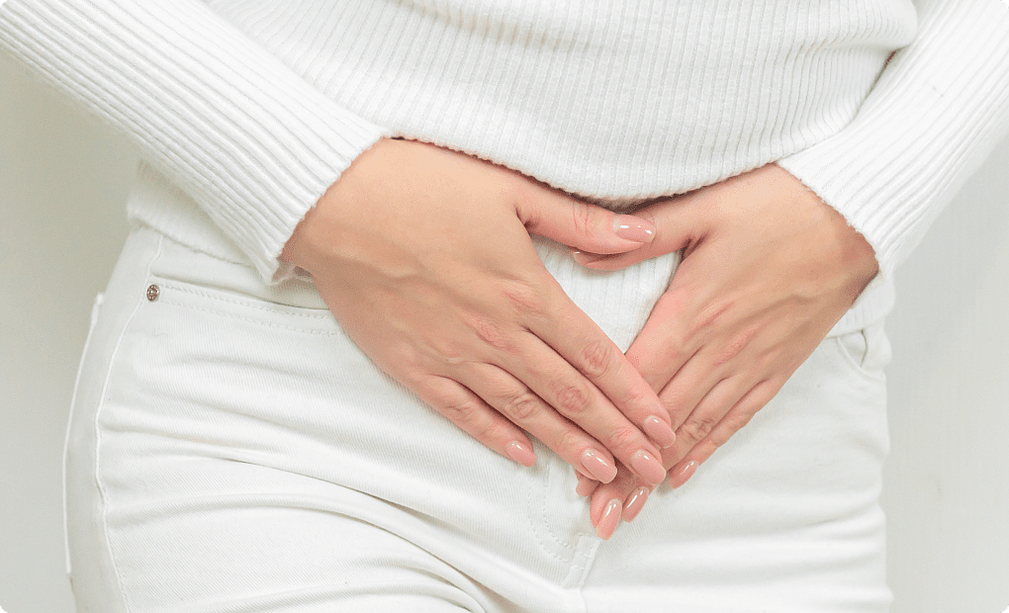
Causes of inflammation
The urinary system includes: kidneys, ureters, bladder and urethra.The main purpose of the system is to filter the blood and remove metabolic products and drugs from the body.Cystitis is an inflammation of the bladder and the cause can descend from the kidneys, that is, spread along the descending path, or, conversely, ascend from the urethra.
There are gender-specific differences in the structure of the urinary system.Considering that women have a shorter and thicker urethra.Infections spread more easily and quickly to the bladder, putting women at risk.In clinical practice it is customary to distinguish several types of cystitis.
- Bacterial cystitis most often occurs when bacteria enter the urinary tract via the urethra.Inflammation is caused by E. coli spreading from the anal area.Another possible route of transmission is sexual intercourse.However, inflammation can be triggered by your own microbiome.
There is also non-infectious cystitis, of which there are several types:
- Interstitial
The exact cause of chronic inflammation is unclear.But statistically it is registered more often in women.However, diagnosis and treatment are difficult due to the specific picture and the lack of understanding of the causes of inflammation.
- drug
Taking certain medications can trigger inflammation.For example, chemotherapy drugs, as metabolic products are excreted via the kidneys and bladder.
- Ray
Radiation therapy to the pelvic organs, prescribed to treat cancer, can cause inflammation.Chemotherapy adds complications that not only irritate the bladder walls, but also impair the function of the immune system.
- Foreign body cystitis
Long-term catheterization predisposes to the development of bacterial cystitis, as well as traumatic tissue damage, which only complicates the situation.
- Allergic
Inflammation can be triggered by the effects of certain cosmetics, for example bubble bath, washing gels and some contraceptives (spermicidal creams).
- As a symptom of other diseases
Sometimes cystitis can be a symptom or complication of other diseases such as diabetes, urolithiasis, prostatitis and prostate adenoma.
Risk factors
Some people are more likely to develop a bladder infection, such as women.But there are other risk factors:
- sexual intercourse
Overly active sexual intercourse or a full bladder increase the likelihood of developing a bladder infection.
- Use of certain types of contraceptives
Using a diaphragm increases the chance of developing a bladder infection.Some types of barrier contraceptives that contain spermicides increase the chance of developing cystitis.
- pregnancy
In this case, hormonal changes, reduced immune function and the growing uterus putting pressure on the bladder promote inflammation.
- menopause
In this case, hormonal changes and dry mucous membranes promote inflammation.
- Urinary flow disorders
In men, cystitis occurs due to a violation of the outflow of urine, which can occur with urolithiasis or enlargement of the prostate.It should be noted that cystitis rarely occurs in men without predisposing factors.
Symptoms of cystitis
The symptoms of a bladder infection vary depending on the form and cause of the inflammation.Nevertheless, it is possible to identify a number of common conditions that occur with any form of inflammation:
- Frequent urination
This is the first and early sign of a bladder infection.Due to inflammation of the bladder walls, the receptors are irritated by even small amounts of urine.This creates a frequent urge to urinate, but a small amount of urine is excreted.
- Feeling of the bladder not being completely emptied
This can be explained by the inflammatory process and irritation of the bladder walls.Along with frequent urination, it disrupts normal quality of life, interferes with daily activities, and can cause increased irritation and mood swings.
- Burning feeling when urinating
Gradually, a pronounced burning sensation occurs when urinating.Initially at the end of the urethra when urination begins, but when it ends, a burning sensation spreads in a wave to the bladder.The severity of the burning sensation can vary and depends on the severity of the disease.
- pain
In addition to the burning sensation, there is also pain when urinating.Sometimes it is very difficult to distinguish between burning and pain;they merge with each other.Sometimes pain and discomfort in the pelvic area can also persist in the pelvic organs.
- Temperature rise
During a cystitis, the body temperature rarely rises to high values (up to 37.5 ° C) and often remains completely normal.
- Changes in urine
Urine may have an unpleasant, distinct odor.In some cases, various impurities can be found in it: sediment or blood in the urine, as a result of which it changes color - becomes dark.
Alarming symptoms
There are a number of symptoms that require urgent medical attention.This includes:
- Severe pain in the back and/or side that may radiate to the groin.In combination with signs of cystitis, this may indicate urolithiasis and other signs.
- A significant increase in body temperature – more than 38 ° C.A rise in temperature is a sign of severe inflammation.
- Nausea and vomiting.The appearance of such symptoms indicates severe poisoning, as this is a defense reaction in which the body tries to eliminate toxins.
- If you experience frequent and painful urination containing blood, you should see a doctor immediately.If symptoms occur after taking antibiotics, special caution should be exercised.
Possible complications
Complications only occur if no treatment is given or the doctor's recommendations are not followed.Complications include kidney damage.The infection can spread from the bladder to the kidneys and cause pyelonephritis.This is a very serious disease that can lead to irreversible kidney damage and metabolic disorders.Children and the elderly, as well as women during pregnancy, are at risk of developing such complications.
How to prevent bladder infections
When the first symptoms appear, you need to take active treatment measures under medical supervision.To determine treatment tactics, you need to undergo an examination and identify the causes of inflammation.Collecting complaints, symptoms and suspected causes helps.
Since the cause of inflammation is most often bacteria, patients are prescribed antibiotics, as well as baths with anti-inflammatory solutions and other recommendations that help quickly cope with inflammation.
In the future, it is recommended to adhere to the following rules:
- Stick to your drinking regime.
This is the main rule that must be followed especially strictly.
- Go to the toilet at the first urge.
If you feel the urge to urinate, you should go to the toilet immediately;it is strictly forbidden to endure it.By the way, this rule must also be observed outside of a bladder infection.
- Observe the rules of personal hygiene.
When washing, the stream of water and hand movements should be directed from the pubic bone to the anus.The same rule must be followed in all manipulations.When it comes to personal hygiene, it is not recommended to use hard brushes or rub the area around the vagina and anus too hard.
- Go take a shower.
Unlike a bath, showering allows water to drain away and prevents the spread of infections.
- Empty your bladder.
You should go to the toilet and empty your bladder before and after sexual intercourse.A popular book describes the situation: With a full bladder, the body is brighter and stronger.In fact, this is not true, the only desire is to go to the toilet faster, and the symptoms of cystitis will not be long in coming.